








Pakistan is currently facing a sharp increase in LPG prices, directly impacting household budgets across the country. If you’re looking for the latest LPG rates per kg and cylinder in 2026, along with official government prices and real market updates, this guide provides everything in one place—simple, clear, and fully updated.
Latest LPG Price in Pakistan (March 2026 Update)
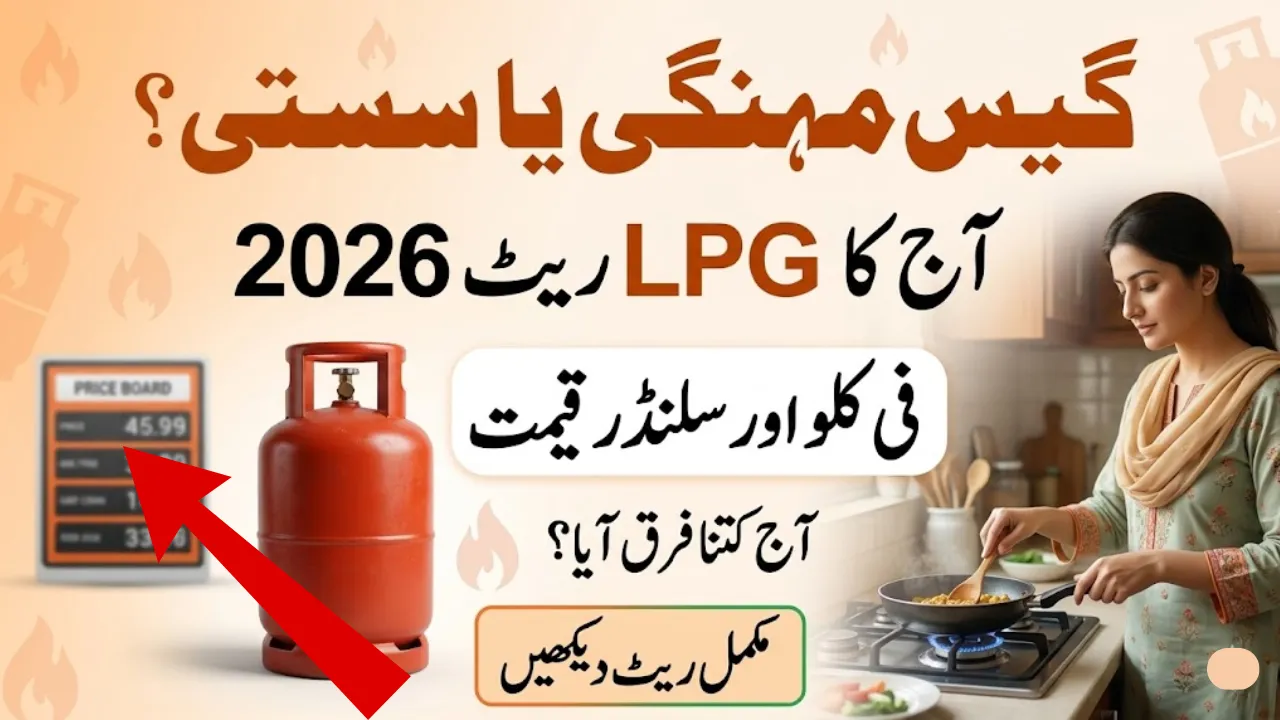
As of late March 2026, LPG prices have increased significantly due to supply and global market pressures. Here are the latest figures:
| Category | Price |
|---|---|
| Market Price (11.67 kg Cylinder) | Rs. 3,900 – Rs. 5,135 |
| Retail Price per Kg | Rs. 320 – Rs. 350 |
| Official OGRA Price (11.8 kg Cylinder) | Rs. 2,664.88 |
👉 The difference between official and market prices shows how severe the shortage and supply issues have become.
Official LPG Rates by Oil and Gas Regulatory Authority (OGRA)
The Oil and Gas Regulatory Authority sets LPG prices monthly to ensure affordability. In early March 2026:
- Official price per kg was significantly lower than market rates
- Domestic cylinder (11.8 kg) was fixed at Rs. 2,664.88
- Prices were based on regulated supply expectations
However, due to market disruptions, actual prices have gone far above these official rates.

Why LPG Prices Increased in Pakistan in 2026
Several key factors are behind the sudden surge in LPG prices:
1. Reduced Supply from Iran
Pakistan heavily depends on LPG imports from Iran. Recent regional issues and border disruptions have reduced supply significantly.
2. Global LPG Price Increase
International LPG prices have risen due to geopolitical tensions, increasing import costs for Pakistan.
3. Demand Surge in Winter Season
Higher usage in colder regions increases demand, pushing prices further up.

4. Distribution & Hoarding Issues
In some areas, artificial shortages and hoarding have also contributed to inflated prices.
Punjab Faces the Highest LPG Price Impact
Residents in Punjab are currently experiencing the highest LPG prices:
- Cylinder prices exceeding Rs. 5,000 in some districts
- Supply shortages in rural areas
- Heavy reliance on LPG due to lack of pipeline gas
This has made LPG unaffordable for many low-income households.
Market vs Official LPG Prices – Key Difference
| Type | Price Range |
|---|---|
| Official (OGRA) | Rs. 2,664 |
| Market (Actual) | Rs. 3,900 – Rs. 5,135 |
➡️ The gap of over Rs. 2,000 per cylinder clearly shows the market imbalance.

Impact on Common People
The rising LPG prices are affecting daily life in multiple ways:
- Increased cooking costs for households
- Higher expenses for small businesses (hotels, tandoors)
- Financial burden on rural communities
Many families are now switching back to alternative fuels like wood or coal.
Expected LPG Price Trend in Coming Months
Experts suggest:
- Prices may remain high if import issues continue
- Any improvement depends on better supply from Iran or alternative sources
- Government intervention could stabilize prices temporarily
How to Save on LPG During Price Hike
Here are some simple tips to reduce LPG usage:

- Use energy-efficient stoves
- Cook meals in bulk to save gas
- Check for leakage regularly
- Prefer pressure cookers for faster cooking
FAQs
What is the LPG price per kg in Pakistan today?
Currently, LPG price ranges between Rs. 320 to Rs. 350 per kg in the market.
What is the official LPG cylinder price set by OGRA?
The official price is around Rs. 2,664 for an 11.8 kg cylinder.
Why is LPG so expensive in 2026?
Due to reduced imports from Iran, global price increases, and supply shortages.
Which province is most affected by LPG price hike?
Punjab is facing the highest price surge and supply issues.

Will LPG prices decrease soon?
Prices may decrease if supply improves and global rates stabilize.
Conclusion
The LPG price in Pakistan in 2026 has reached alarming levels, with market rates far exceeding official government prices. Supply disruptions, global market pressure, and regional dependency are the main causes behind this surge. While the government continues to regulate prices through OGRA, real relief will depend on improved supply and strict market control. Until then, consumers must adopt smart usage strategies to manage rising energy costs.